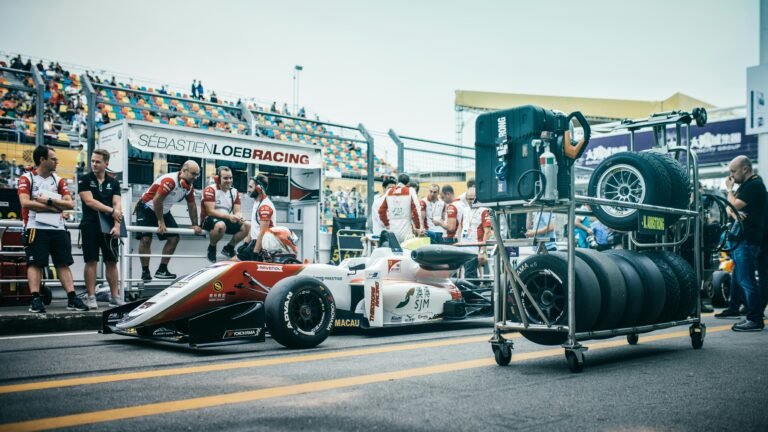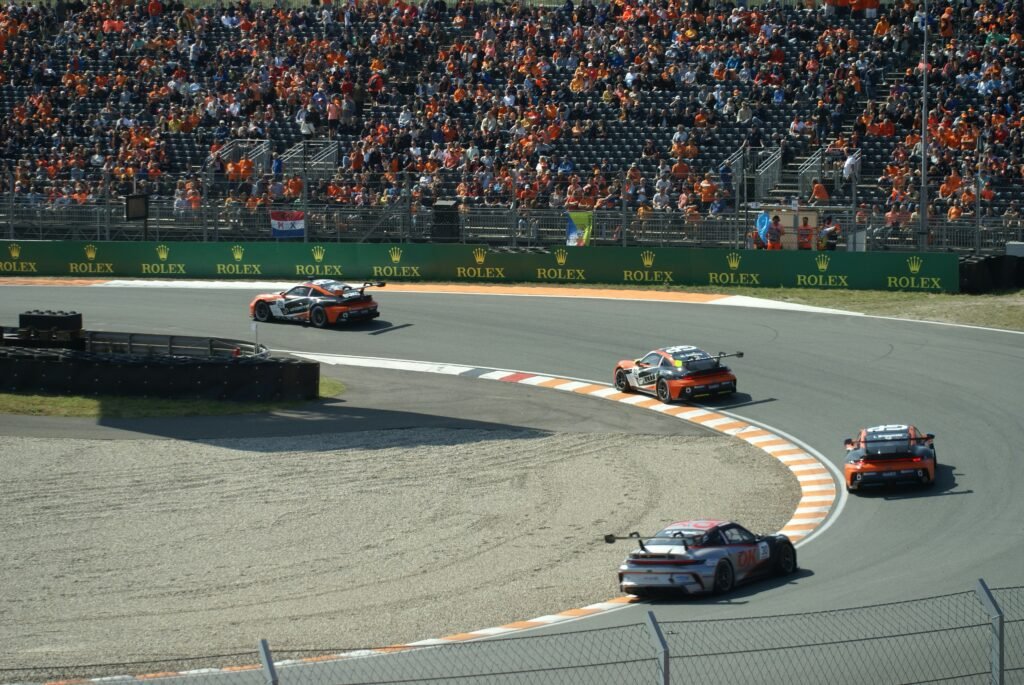

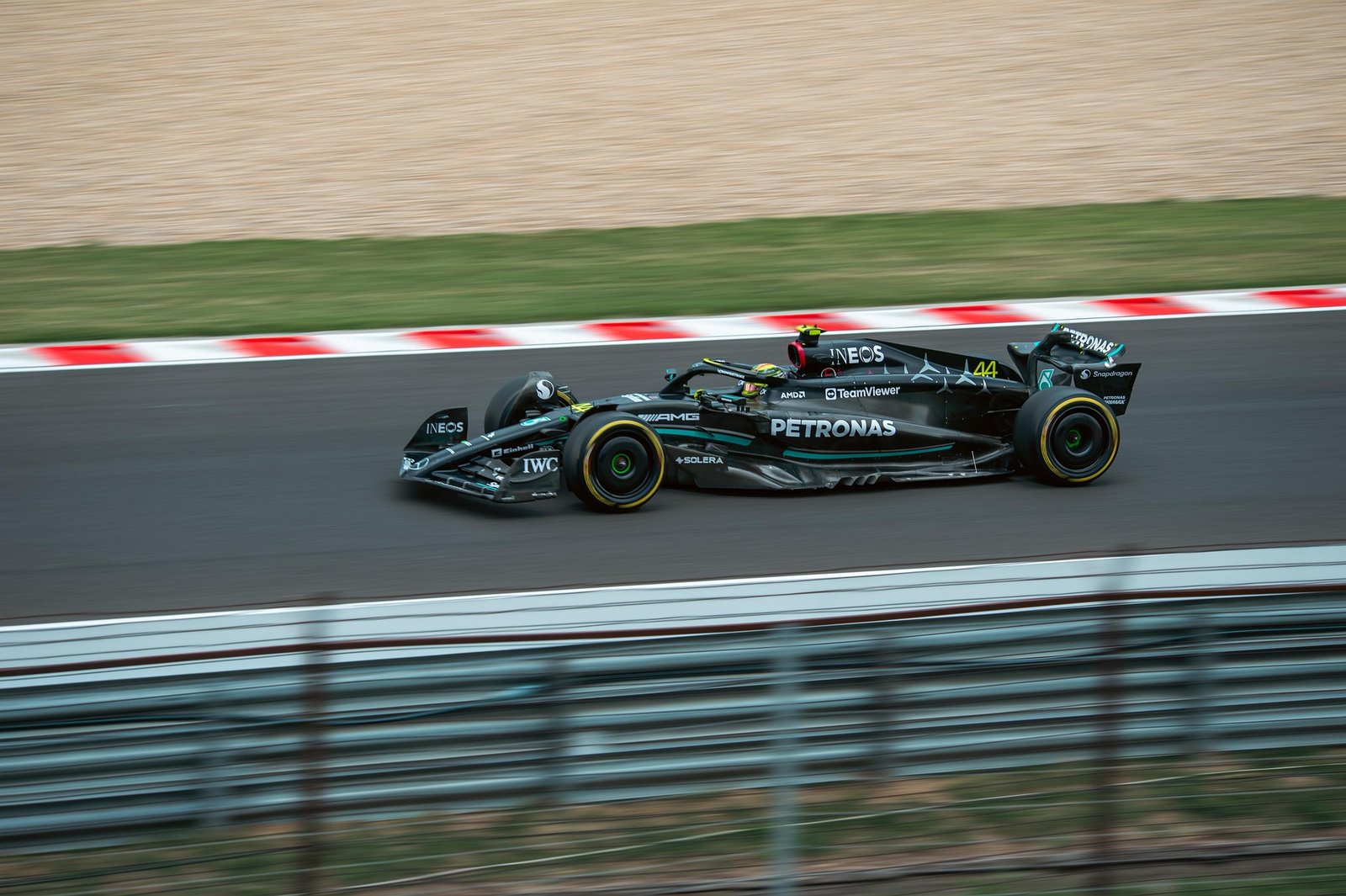
A Formula 1 car can contain some of the most advanced technology in motorsport, but all of that performance ultimately reaches the track through four tyres.
That makes F1 tyres one of the most important factors in racing.
Tyres influence grip, braking, cornering, acceleration, strategy, and overall race performance.
Why Grip Matters
Grip allows a driver to control the car.
During acceleration, tyres help transfer power to the track.
During braking, they help the car slow down.
Through corners, they provide the traction necessary to maintain speed.
Without sufficient grip, even a technically advanced car cannot perform effectively.
Tyre Temperature
F1 tyres operate within specific temperature ranges.
If a tyre is too cold, it may not generate the expected level of grip.
If it becomes excessively hot, performance can also deteriorate.
Drivers and teams therefore monitor tyre temperatures throughout a session.
Tyre Compounds
Different tyre compounds provide different characteristics.
Generally, softer compounds can provide strong short-term performance, while harder compounds can offer greater durability.
The ideal choice depends on the circuit and race conditions.
Tyre Degradation
Tyres do not remain at their initial performance level forever.
As they complete more laps, they can lose performance.
This is known as degradation.
The rate of degradation can depend on:
- Track surface
- Weather
- Driving style
- Car setup
- Tyre compound
- Race conditions
Why Pit Stops Matter
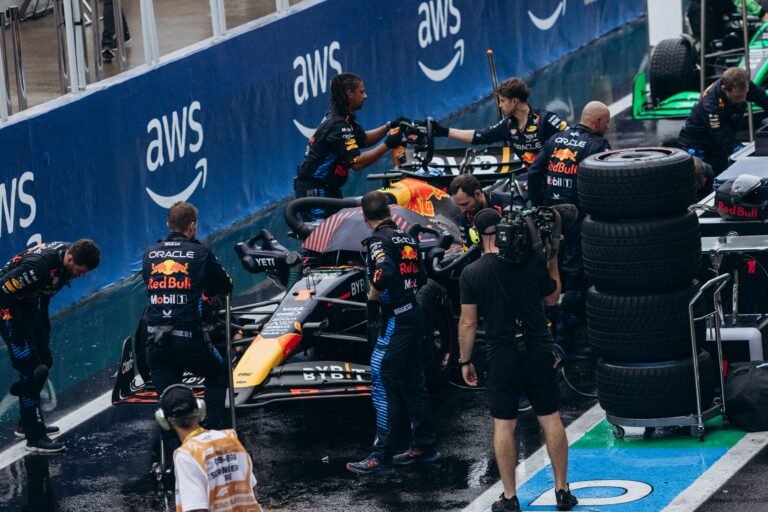
When tyres lose enough performance, teams may choose to make a pit stop.
The driver enters the pit lane, the team changes the tyres, and the car returns to the track.
The stop costs time, but fresh tyres can provide a performance advantage.
Strategy Becomes a Calculation
Teams must constantly evaluate whether a pit stop is worthwhile.
Stopping too early may leave a driver with tyres that degrade again before the race ends.
Stopping too late can mean losing significant lap time.
This makes tyre strategy a constantly changing calculation.
Weather Makes Things Even More Complicated
Wet conditions introduce another layer of complexity.
Different tyre types are designed for different levels of wet weather.
Teams must judge whether conditions justify changing tyres.
A poorly timed tyre change can cost valuable track position.
Drivers Have Different Experiences
Two drivers using the same tyre may experience it differently.
Driving style, car balance, and setup can influence how quickly tyres degrade.
This is one reason why teams carefully analyze driver feedback.
Why Tyres Can Decide a Race
A driver may have a fast car but struggle if the tyres are not performing.
Another driver may appear slower early in a race but gain an advantage later by managing tyre degradation effectively.
This makes tyre management a major part of Formula 1.
Frequently Asked Questions
Why are F1 tyres important?
They provide the grip required for acceleration, braking, and cornering.
Do all F1 tyres perform the same?
No. Different compounds and tyre specifications are designed for different conditions and strategic purposes.
Why do F1 cars change tyres?
Teams may change tyres to gain performance, respond to degradation, or adapt to changing weather and race conditions.
Final Thoughts
Formula 1 is often described as a battle of engines, aerodynamics, and drivers.
But none of those elements can work effectively without the tyres connecting the car to the circuit.
Understanding tyre behavior is therefore essential to understanding modern F1 strategy.
SportsOrbit.world — Where every lap counts.