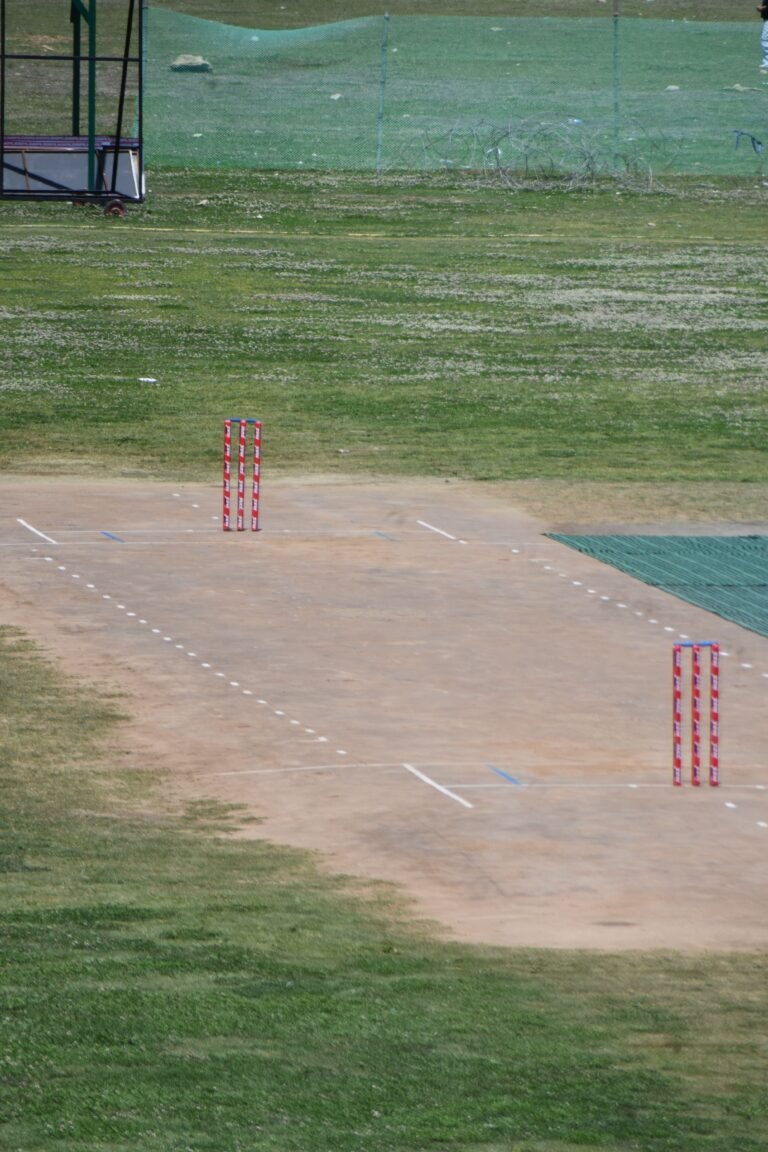

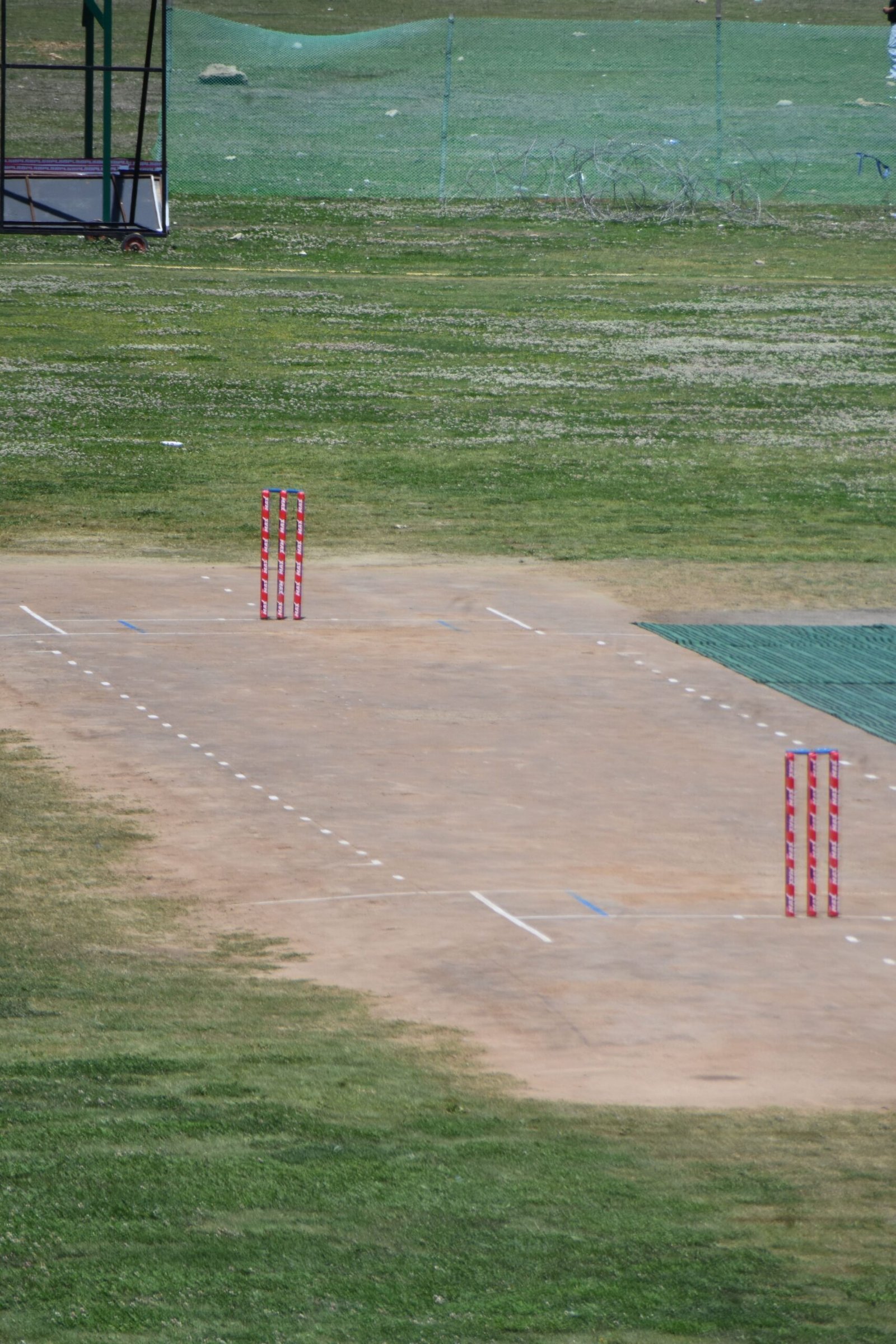
A cricket pitch is one of the most important parts of the game.
The same players can perform very differently depending on the surface they are playing on. Pitch conditions can influence how much the ball moves, how high it bounces, how quickly it travels to the boundary and how comfortable batters feel at the crease.
Understanding cricket pitch conditions helps explain many of the tactical decisions made during a match.
What Is a Cricket Pitch?
The pitch is the central playing surface between the two wickets.
It provides the area where the bowler delivers the ball and the batter attempts to score runs.
Although a cricket pitch may look relatively simple, its characteristics can have a significant effect on the behavior of the ball.
Why Pitch Conditions Matter
A pitch can influence:
- Bounce
- Pace
- Seam movement
- Spin
- Batting stroke-making
- Bowling strategy
- Shot selection
Teams therefore inspect the pitch before and during a match.
Fresh Pitches
A fresh pitch may offer characteristics that favor certain types of bowling, depending on its preparation and conditions.
Fast bowlers may look for movement through the air or off the surface.
Batters, meanwhile, need to assess the bounce and pace before committing to aggressive shots.
Hard Pitches
Hard surfaces can sometimes provide more consistent bounce.
This can help batters play attacking strokes if they are comfortable with the pace.
Fast bowlers may also benefit from additional pace coming off the surface.
However, the exact behavior depends on the pitch and environmental conditions.
Dry Pitches
Dry surfaces can sometimes provide greater assistance to spin bowling.
As the match progresses, changes in the surface can influence how the ball grips and turns.
Spinners may therefore become an increasingly important part of a team’s bowling strategy.
Cracked or Rough Surfaces
A pitch that develops rough areas can create additional challenges.
For spin bowlers, rough sections can provide areas where the ball interacts differently with the surface.
Batters need to pay close attention to where the ball is likely to land.
Bounce
Bounce refers to how the ball behaves after hitting the pitch.
Consistent bounce allows batters to predict the ball more easily.
Uneven bounce can make shot selection more difficult.
Batters may need to adjust their technique depending on whether the ball is bouncing higher, lower or more slowly than expected.
Seam Movement
Fast bowlers can sometimes generate movement after the ball hits the pitch.
This is known as seam movement.
The ball may deviate from its expected path, creating problems for batters.
Good seam bowling requires accurate line and length as well as an understanding of the surface.
Swing and Pitch Conditions
Swing primarily involves movement through the air, so atmospheric conditions are also important.
However, the overall playing environment—including the pitch, ball condition and weather—can influence how bowlers approach their deliveries.
Spin Bowling
Spin bowlers rely on changing the direction and speed of the ball after it lands.
The surface can influence how much the ball grips.
This is why captains may introduce spin at different stages of a match.
How Batters Adapt
Batters need to read the conditions quickly.
They may change:
- Footwork
- Shot selection
- Batting tempo
- Defensive technique
- Position in the crease
A batter who understands the surface can make better decisions about when to attack and when to defend.
How Bowlers Adapt
Bowlers also need to adjust.
A fast bowler may change their length depending on bounce and pace.
A spinner may alter flight, speed or trajectory depending on how the ball reacts.
The most useful delivery is not always the fastest or most dramatic one.
Pitch Conditions and Match Strategy
Captains consider pitch conditions when selecting their bowling attack.
A team playing on a surface that offers assistance to spin may want additional spin options.
On another pitch, fast bowlers may play a more prominent role.
Frequently Asked Questions
Why is the cricket pitch important?
The pitch influences bounce, pace, seam movement and spin, which can affect both batting and bowling.
Do pitch conditions change during a match?
Yes. A pitch can change as players use it, while weather and moisture can also influence its behavior.
Are dry pitches good for spin bowling?
Dry surfaces can sometimes provide conditions that help spin bowling, although the exact effect depends on the specific pitch and environment.
Can batters adapt to difficult pitches?
Yes. Experienced batters can adjust their footwork, shot selection and scoring approach based on the behavior of the ball.
Conclusion
Pitch conditions are an important tactical element of cricket.
Batters need to understand bounce and pace, while bowlers need to identify how the surface can help their deliveries.
From fresh surfaces to dry pitches and changing bounce, the pitch can influence almost every aspect of a cricket match.
For fans, understanding pitch conditions adds another layer to the game and makes many tactical decisions easier to appreciate.