
Formula 1 races are not won through speed alone.
Behind every driver is a large team analyzing data and making decisions about tires, pit stops, traffic and changing conditions.
This is the foundation of F1 race strategy.
What Is F1 Race Strategy?
Race strategy is the plan a team uses to manage a Grand Prix.
It can include:
- Tire selection
- Pit-stop timing
- Stint length
- Traffic management
- Weather decisions
- Race pace
- Overtaking opportunities
The strategy begins before the race but rarely remains unchanged.
Tire Strategy
Tires have a major influence on performance.
Teams need to understand how quickly tires lose performance and how different compounds behave under various conditions.
A team may choose a strategy designed around fewer stops or faster but shorter stints.
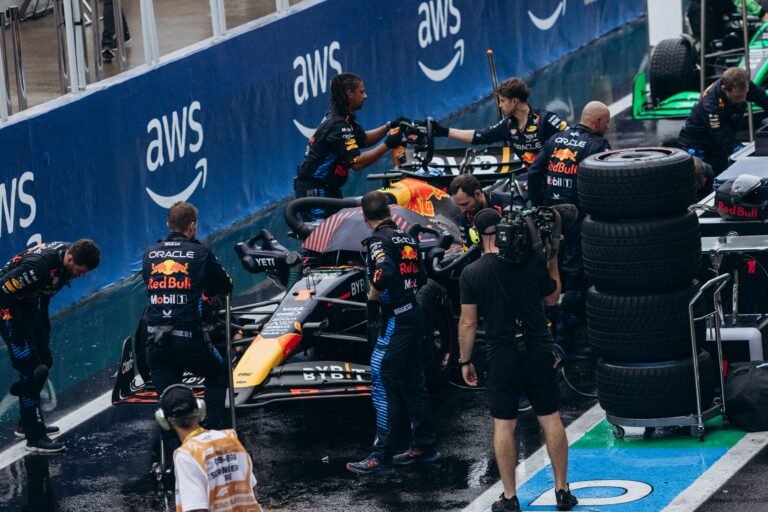
Pit Stops
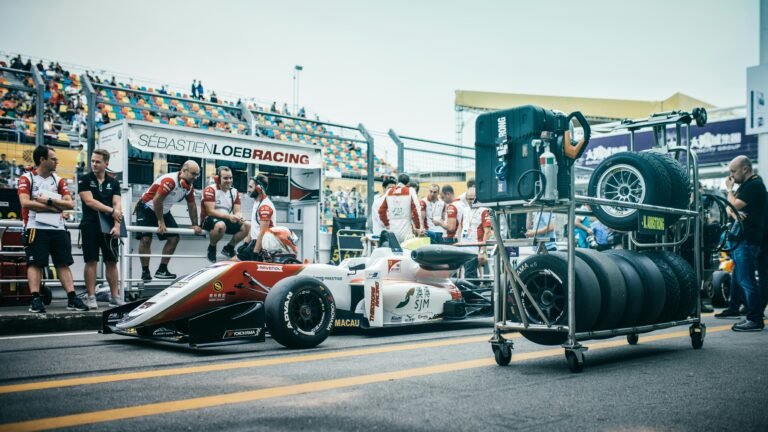
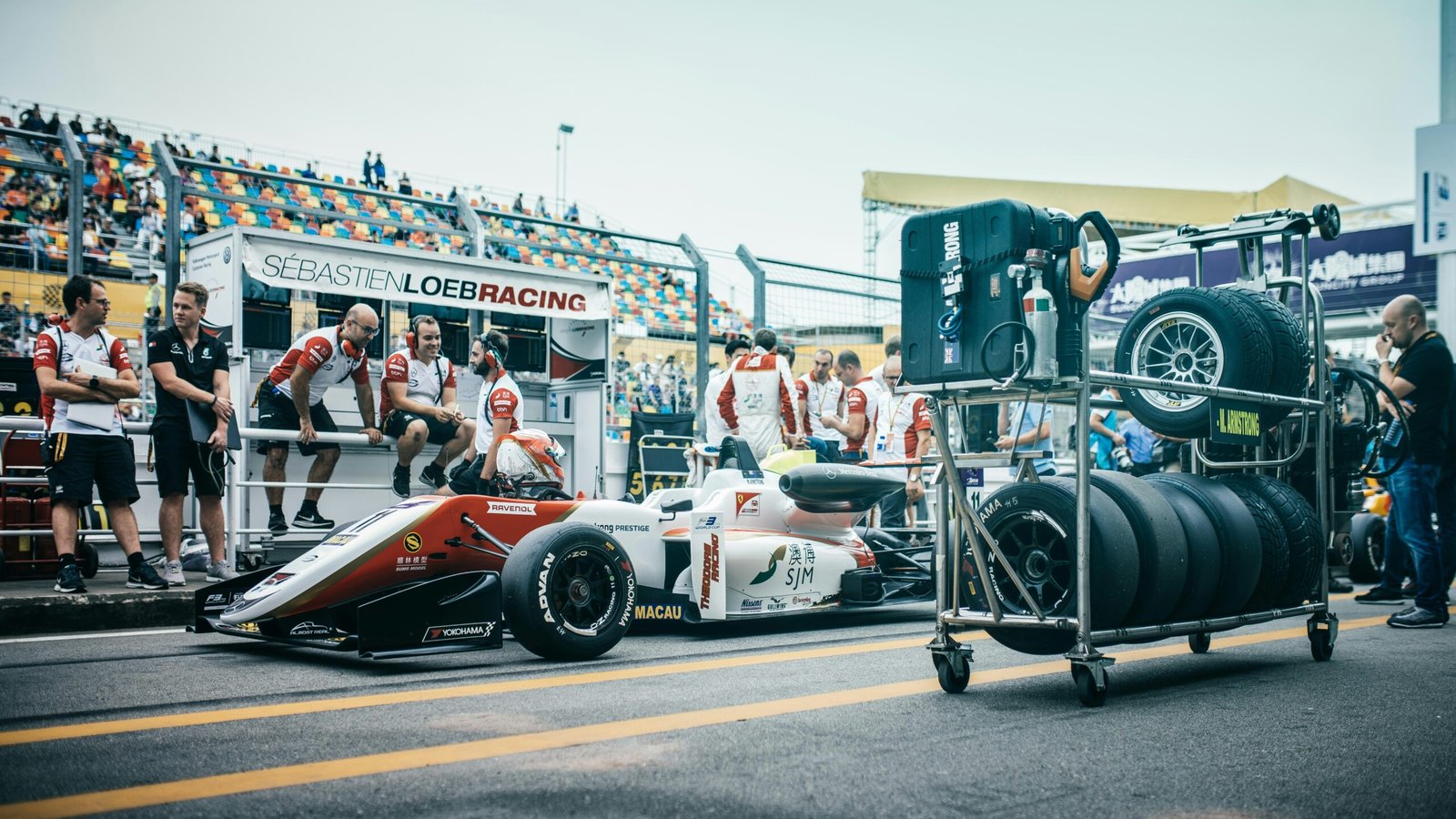
A pit stop costs valuable time, so teams carefully calculate when stopping is worthwhile.
A team might pit to:
- Change tires
- Respond to an opponent
- Take advantage of a safety-car period
- Switch to wet-weather tires
- Avoid excessive tire degradation
Undercut and Overcut
Two common strategic concepts are the undercut and overcut.
An undercut involves stopping earlier than a rival and using fresh tires to gain time.
An overcut involves staying out longer and attempting to benefit from clear track or other circumstances.
Their effectiveness depends on the circuit and race conditions.
Weather
Weather can completely change a strategy.
Rain may require teams to switch tire types.
The difficult part is deciding exactly when to make the change.
Pitting too early or too late can both cost time.
Safety Cars
A safety-car period can change the strategic situation.
The time lost during a pit stop may be reduced compared with a normal racing lap.
Teams therefore monitor incidents and prepare possible strategies immediately.
Traffic
A driver leaving the pits may find themselves behind slower cars.
Fresh tires do not automatically provide an advantage if the driver cannot use their pace.
Teams therefore consider track position alongside tire performance.
Data Analysis
Engineers monitor enormous amounts of information.
They can analyze:
- Lap times
- Tire degradation
- Sector times
- Competitor pace
- Fuel use
- Weather
- Track evolution
This information helps teams adjust their plans.
Driver Feedback
Drivers also provide important information.
They can describe how the tires feel, how the car behaves and whether the track is changing.
Strategy decisions therefore combine data with driver feedback.
Why Strategy Can Change
A race rarely develops exactly as predicted.
A crash, safety car, weather change, tire problem or unexpected competitor pace can force teams to reconsider their plans.
Successful strategy therefore requires adaptation.
Frequently Asked Questions
What is an F1 race strategy?
It is the team’s plan for managing tires, pit stops, pace, traffic and changing race conditions.
Why do F1 teams make pit stops?
Pit stops are commonly used for tire changes and can also respond to changing race or weather conditions.
Who decides F1 strategy?
Race engineers, strategists and other team personnel analyze data and communicate decisions with the driver.
Conclusion
Formula 1 strategy combines mathematics, engineering, timing and rapid decision-making.
A team’s original plan provides a starting point, but changing race conditions can require constant adjustments.
That strategic battle takes place alongside the on-track competition and is an important part of modern Formula 1.