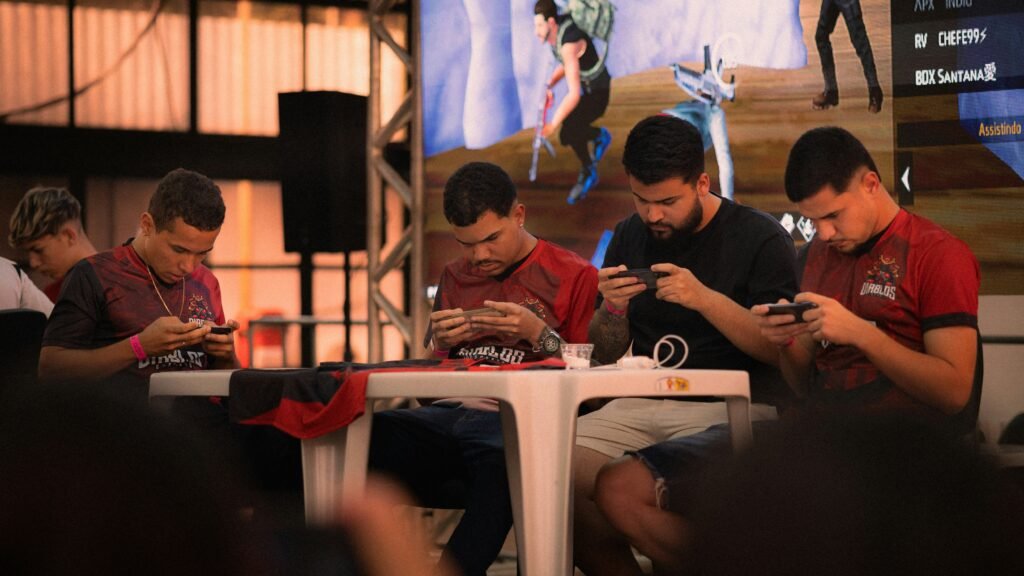

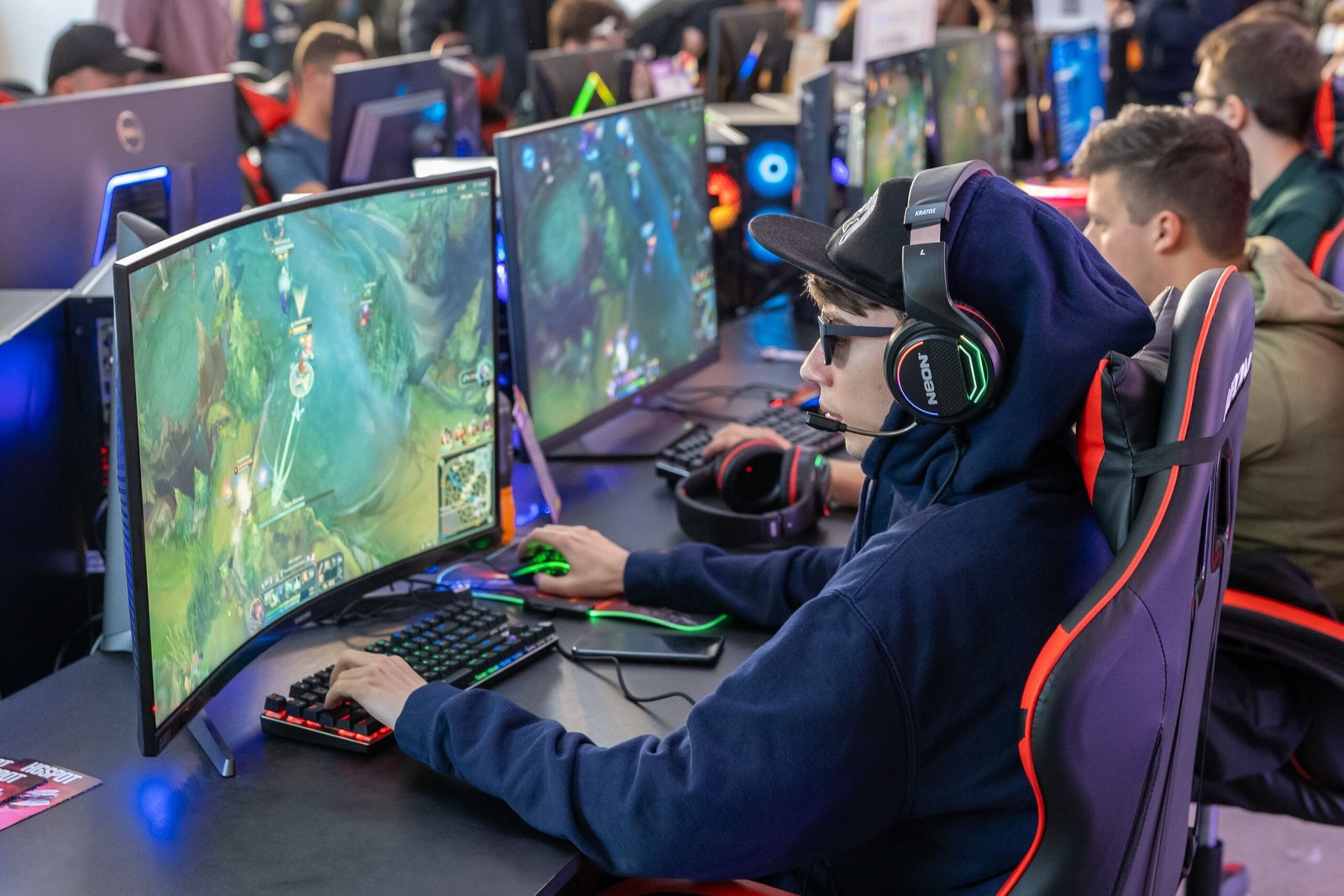
Professional esports may look like simply playing video games, but competitive players follow structured training routines designed to improve performance.
Depending on the game, players may spend time practicing mechanics, reviewing matches, studying opponents and developing team strategies.
Individual Practice
Players often practice individually to improve specific skills.
Depending on the game, this could involve:
- Aim training
- Movement
- Reaction exercises
- Game mechanics
- Character control
- Decision-making
- Map knowledge
The exact routine depends heavily on the game.
Team Practice
Team-based games require coordinated practice.
Players work together to develop:
- Strategies
- Communication
- Team compositions
- Rotations
- Set plays
- Defensive systems
- Offensive approaches
Team practice helps players understand each other’s decisions.
Reviewing Matches
Match review is an important part of competitive training.
Players and coaches can watch previous games to identify mistakes and successful decisions.
They may examine:
- Positioning
- Timing
- Communication
- Resource management
- Strategic decisions
Studying Opponents
Professional teams may analyze upcoming opponents.
They can review previous matches to identify patterns.
For example, an opponent may repeatedly use a particular strategy in certain situations.
Recognizing these tendencies can help teams prepare.
Communication
Communication can be crucial in team esports.
Players need to share information quickly.
Effective communication may involve:
- Enemy locations
- Available resources
- Cooldowns
- Objectives
- Tactical plans
- Position changes
Too much unnecessary communication can also become distracting.
Strategy Development
Teams often create strategies for specific maps, opponents or situations.
Coaches and analysts may help organize this preparation.
Strategies can change during tournaments because opponents adapt.
Mechanical Skills
Some games demand highly precise mechanical execution.
Players may practice the same movement or technique repeatedly.
Repetition helps turn complicated actions into more consistent habits.
Mental Focus
Competitive gaming requires sustained attention.
Players need to process information while making rapid decisions.
Training routines may therefore include scheduled breaks and recovery periods to help maintain concentration.
Physical Wellbeing
Although esports is gaming-based, players still spend long periods sitting at a computer.
Physical wellbeing can include:
- Regular movement
- Appropriate posture
- Exercise
- Sleep
- Hydration
- Balanced nutrition
These factors can support long training sessions.
Hardware Familiarity
Professional players also need to be comfortable with their equipment.
They may use customized:
- Mice
- Keyboards
- Controllers
- Headsets
- Monitors
Consistency can help players avoid unnecessary adjustments during competition.
The Role of Coaches
Coaches can provide strategic guidance and help organize team practice.
Analysts may focus more heavily on statistics, opponents and match data.
Together, staff can help players identify areas for improvement.
Frequently Asked Questions
How many hours do esports players practice?
Training schedules vary significantly by game, team and player. There is no single universal practice schedule.
Do esports players exercise?
Many professional players incorporate physical activity and recovery into their routines, although practices vary between individuals and teams.
Do esports teams study opponents?
Yes. Competitive teams can review previous matches and develop strategies based on opponent tendencies.
Conclusion
Professional esports training involves much more than simply playing matches.
Players develop mechanical skills, practice with teammates, analyze previous games, study opponents and work on communication and strategy.
The exact training routine depends on the game, but structured practice and performance analysis are common features of competitive esports.