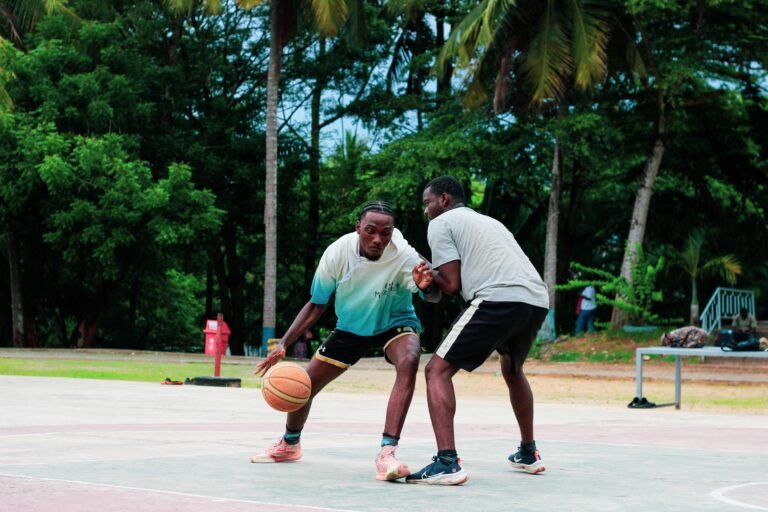

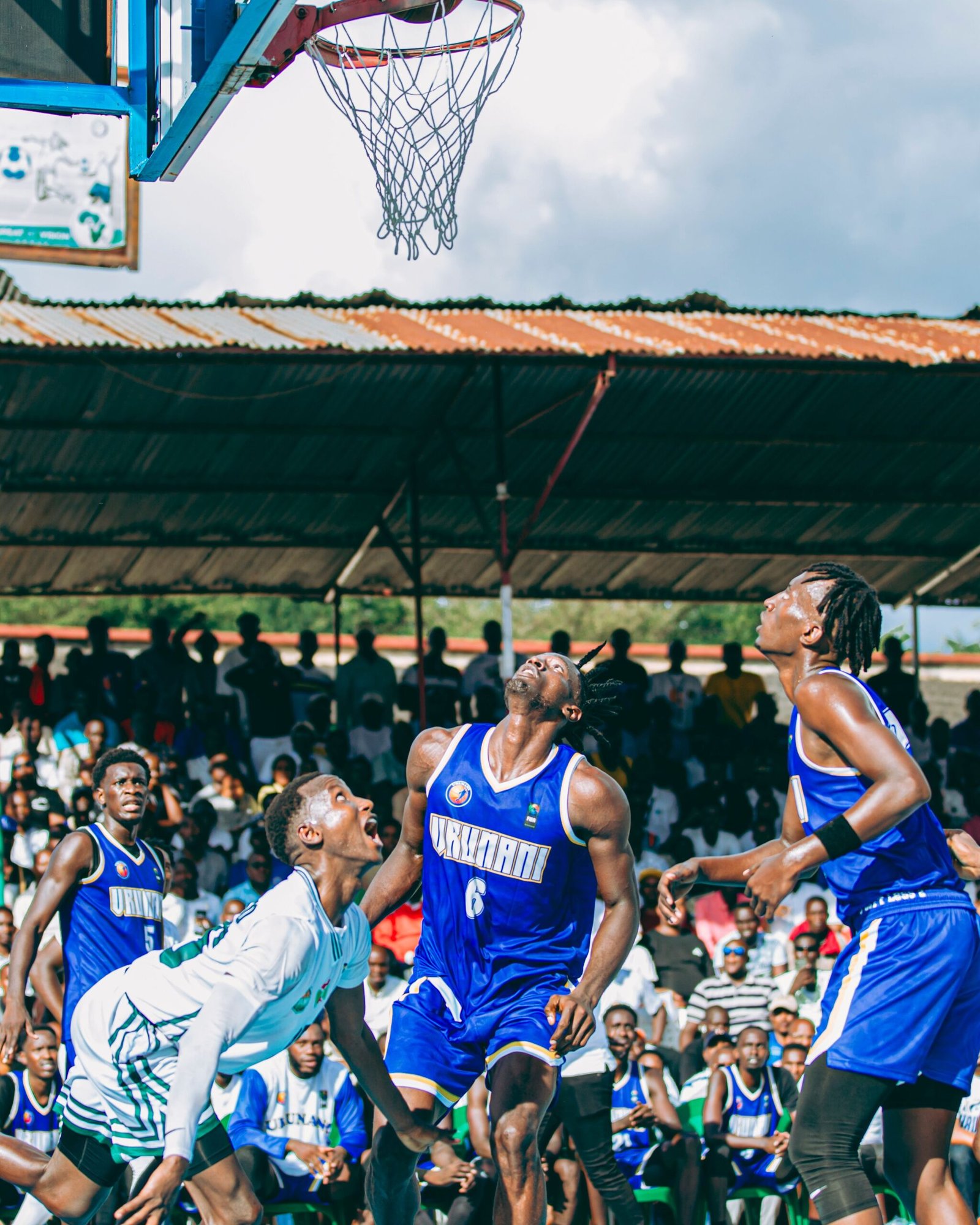
Basketball is a fast-moving team sport where every player contributes to offense and defense.
Traditionally, basketball has five main positions:
- Point guard
- Shooting guard
- Small forward
- Power forward
- Center
Modern basketball has become more flexible, and players often perform multiple roles. Still, understanding the traditional basketball positions is a useful way to learn how the game works.
Point Guard
The point guard is traditionally responsible for organizing the offense.
They often bring the ball up the court and help initiate plays.
Important point guard skills include:
- Ball handling
- Passing
- Court vision
- Decision-making
- Shooting
- Communication
A point guard may need to decide whether the team should attack immediately or establish a half-court offense.
Shooting Guard
The shooting guard is traditionally associated with perimeter scoring.
They may be responsible for:
- Three-point shooting
- Mid-range scoring
- Off-ball movement
- Perimeter defense
- Ball handling
Modern shooting guards often have multiple responsibilities and may also create opportunities for teammates.
Small Forward
The small forward is often one of the most versatile positions.
A small forward may score from outside, attack the basket, defend multiple positions and contribute to rebounding.
Because of this versatility, many teams rely heavily on their small forward during different phases of a game.
Power Forward
The power forward traditionally operates closer to the basket than guards.
However, modern power forwards can also shoot from the perimeter.
Typical responsibilities include:
- Rebounding
- Interior defense
- Screening
- Finishing near the basket
- Perimeter shooting
- Defensive positioning
The exact role depends heavily on the player’s skill set and the team’s strategy.
Center
The center is traditionally the team’s primary interior player.
Centers often operate around the basket and contribute through:
- Rebounding
- Shot blocking
- Interior scoring
- Screening
- Paint defense
Modern centers may also shoot three-pointers and pass from the perimeter.
Why Positions Are Changing
Basketball has become increasingly position-flexible.
Players are often expected to perform several roles instead of staying in one area.
A tall player might handle the ball.
A guard might attack the basket and defend larger opponents.
A center might step outside and shoot from long range.
This flexibility makes traditional position labels less rigid than they once were.
Offensive Roles
Each position can contribute differently to offense.
Guards often help create plays and handle the ball.
Forwards can score, rebound and attack mismatches.
Centers traditionally provide interior scoring, screens and rebounding.
But these responsibilities can overlap.
Defensive Roles
Defense is not limited to certain positions.
Every player needs to understand:
- On-ball defense
- Help defense
- Rotations
- Rebounding
- Communication
- Transition defense
Teams may use man-to-man defense or zone concepts depending on their strategy.
What Makes a Good Point Guard?
A strong point guard usually combines ball control, vision and decision-making.
They must understand where teammates are positioned and recognize defensive pressure.
What Makes a Good Shooting Guard?
Shooting accuracy is important, but modern shooting guards also benefit from ball handling, movement and defensive ability.
What Makes a Good Forward?
Forwards often need versatility.
They may be asked to score, defend multiple positions, rebound and create opportunities for teammates.
What Makes a Good Center?
Centers need strong positioning and awareness around the basket.
Rebounding, rim protection, screening and finishing are traditionally important parts of the role.
Frequently Asked Questions
What are the five basketball positions?
The traditional five positions are point guard, shooting guard, small forward, power forward and center.
Which basketball position scores the most?
Scoring responsibilities vary by team and player. Any position can become a major scoring role depending on the team’s offensive system.
Can basketball players play multiple positions?
Yes. Modern basketball frequently uses versatile players who can perform responsibilities associated with multiple positions.
What position handles the ball most?
Traditionally, the point guard handles the ball most frequently, although modern offenses distribute ball-handling responsibilities among several players.
Conclusion
Understanding basketball positions helps new fans understand why players move around the court and how teams organize their offense and defense.
Although the traditional five positions remain useful, modern basketball increasingly emphasizes versatility.
Players who can pass, shoot, defend, rebound and make decisions in multiple areas of the court can provide valuable flexibility to their teams.