
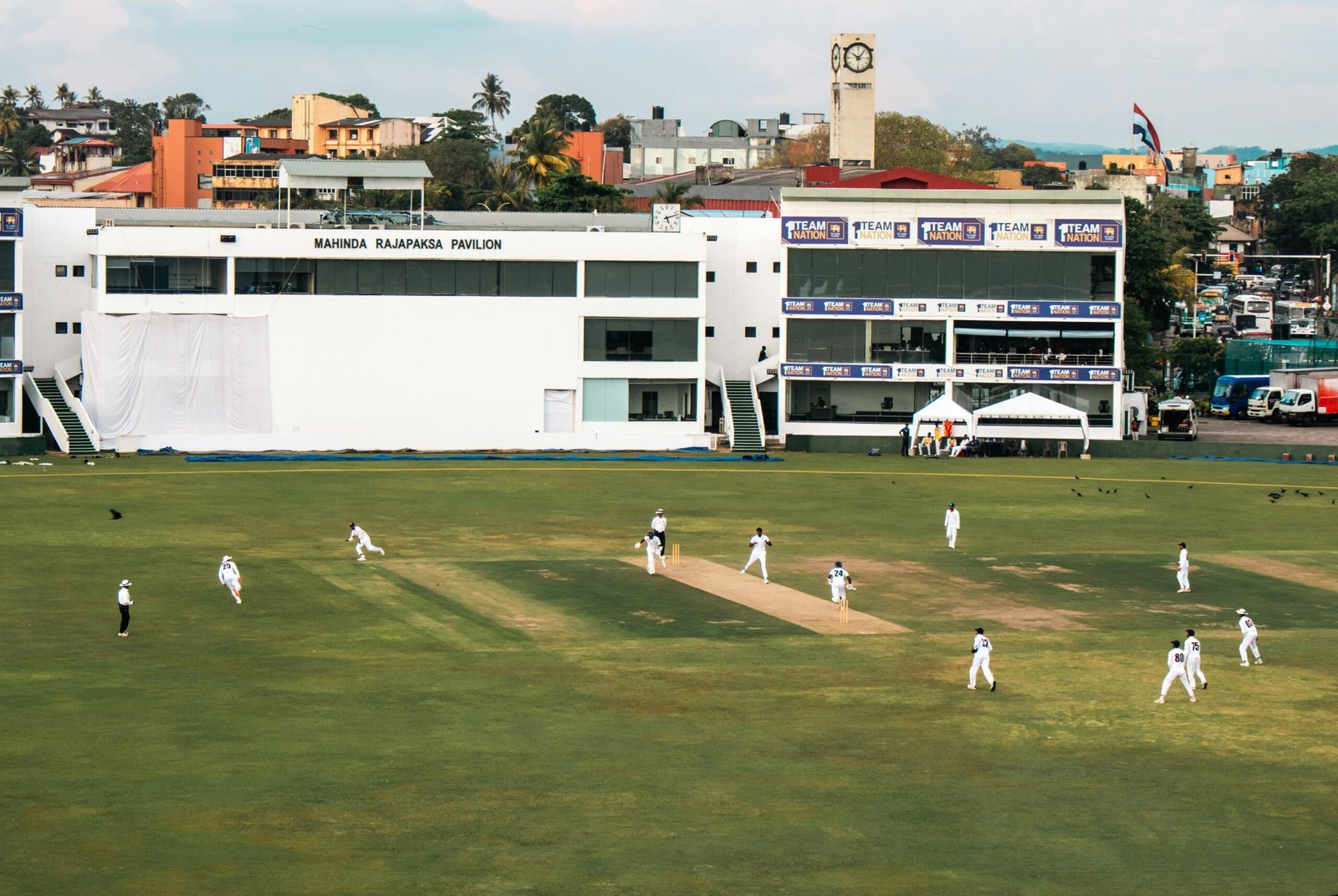
Cricket is often described as a game of skill, but it is also a game of decisions. During a match, captains constantly evaluate conditions, players, opponents and the current state of the game.
A captain may change a bowler, move a fielder, alter the batting order or change the team’s approach based on only a few deliveries.
Understanding cricket captain tactics helps explain why seemingly small decisions can have a major effect on a match.
Reading the Match Situation
The first responsibility of a captain is understanding what the match requires.
A captain may consider:
- Current score
- Required run rate
- Number of wickets remaining
- Overs remaining
- Pitch conditions
- Weather
- Batting strength
- Bowling options
The correct decision can change as the match develops.
Choosing the Right Bowler
Captains need to manage their bowling resources carefully.
A fast bowler may be particularly useful with a new ball, while a spinner could become more effective as the pitch changes.
Captains also consider the batter facing them.
A bowler who matches up well against a particular batter may receive another opportunity.
Field Placements
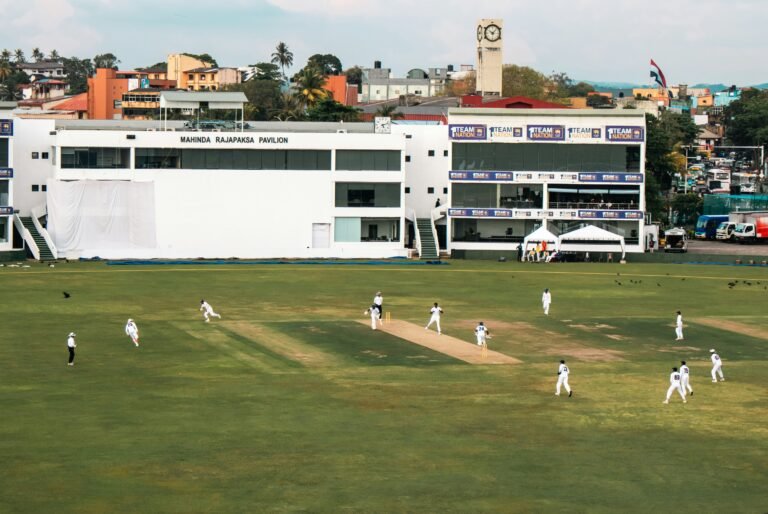
Field placement is one of the most visible tactical decisions.
Captains can place fielders in positions designed to:
- Stop boundaries
- Create catching opportunities
- Restrict singles
- Protect specific scoring areas
- Pressure a batter
The field can change from one delivery to the next.
Attacking vs Defensive Captaincy
An attacking captain may place additional fielders in catching positions when looking for wickets.
A defensive approach may focus on preventing boundaries and controlling the scoring rate.
The decision depends heavily on the match situation.
Managing the New Ball
The opening overs can be particularly important.
The ball may move through the air or off the pitch, giving fast bowlers opportunities to challenge opening batters.
Captains need to decide how aggressively to use their opening bowlers.
Using Spin
Spin bowling can provide control and create different problems for batters.
A captain may introduce a spinner when the conditions or matchup appear suitable.
Spinners can also be used to control scoring during the middle overs of limited-overs cricket.
Batting Order Decisions
Captains may also influence the batting order.
A team can promote a batter if the situation requires aggressive scoring or send a more defensive player to the crease when stability is important.
The batting order therefore provides another tactical option.
Reading the Opposition
Captains constantly observe opposing batters.
They may notice:
- Favorite scoring areas
- Weakness against certain deliveries
- Running patterns
- Shot selection
- Changes in technique
This information can influence bowling and field placement.
Adapting to Conditions
Cricket conditions can change during a match.
A pitch may become slower, dew can affect the ball, or weather can change the way players approach the game.
Good tactical planning therefore requires flexibility.
Why Captaincy Matters
Cricket captaincy combines leadership with tactical decision-making.
The captain does not control every event, but their decisions can influence how effectively the team uses its available resources.
Frequently Asked Questions
What does a cricket captain do?
A captain leads the team and makes tactical decisions involving field placements, bowling changes, batting strategy and overall match management.
Why do cricket captains change field positions?
Fielders are moved to restrict scoring areas, create catching chances or respond to the batter and match situation.
Can a captain change the batting order?
Teams can make tactical decisions about which available batter comes to the crease next, subject to the competition’s rules.
Conclusion
Cricket captaincy is a constant process of observation and adaptation.
Captains need to understand the match situation, manage players, anticipate opponents and make decisions under pressure.
That tactical layer is one of the reasons cricket can be much more strategic than it first appears.