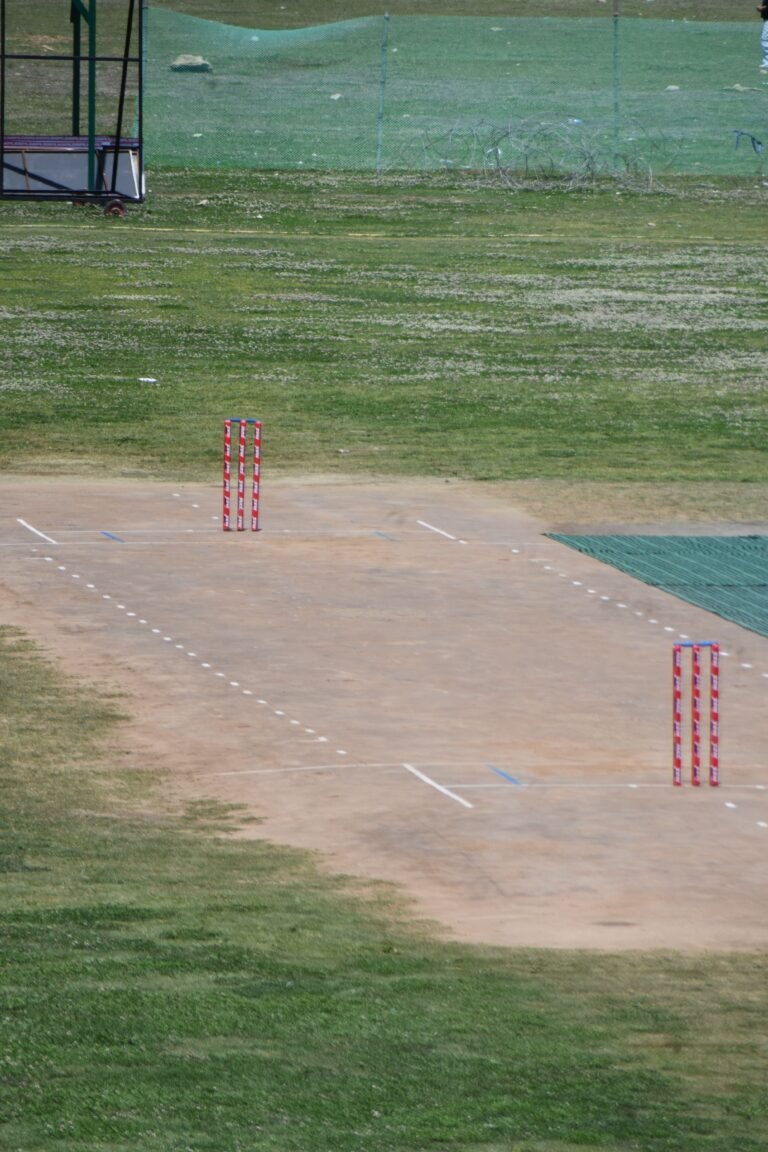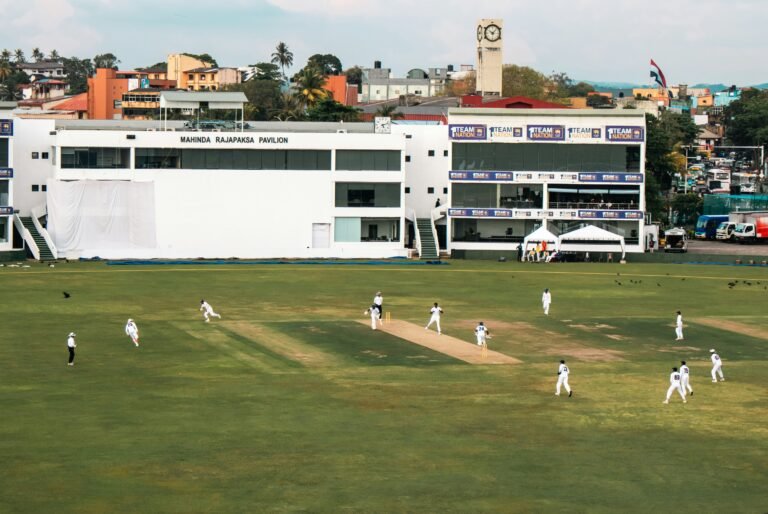


Cricket is played in several formats, but three have become especially important in the modern game: Test cricket, One Day Internationals (ODIs), and Twenty20 (T20) cricket.
Although all three formats use the same basic laws and involve batting, bowling, and fielding, they require very different approaches.
The biggest difference is time.
Test cricket can last up to five days, while an ODI is limited to 50 overs per side and a T20 match to just 20 overs per side.
That difference changes almost everything.
Test Cricket: The Longest Challenge
Test cricket is traditionally regarded as the longest form of international cricket.
A Test match can involve multiple innings and may last up to five days.
This gives teams time to build long-term strategies.
Batters need concentration and patience. Bowlers must manage their spells and workloads, while captains constantly assess how the match might develop over several sessions.
Patience Is Crucial
A batter in Test cricket may spend a long time defending before looking for scoring opportunities.
A bowler can also build pressure gradually by repeatedly challenging a batter in the same area.
The extended format makes endurance an important part of performance.
ODI Cricket: The Middle Ground
One Day International cricket provides a balance between the patience of Test cricket and the urgency of T20.
Each side normally has a maximum of 50 overs.
Because the number of deliveries is limited, teams have to plan their innings carefully.
The game often develops through different phases.
Early Overs
The opening period can involve attacking field restrictions and an attempt to establish a strong platform.
Middle Overs
Teams often focus on rotating the strike while managing wickets.
Final Overs
The batting side may increase its attacking approach in an attempt to maximize the final scoring opportunity.
This changing rhythm gives ODI cricket its own identity.
T20 Cricket: Maximum Pressure in Minimum Time
T20 cricket compresses the contest into a much shorter period.
With only 20 overs available per innings, teams cannot afford too many quiet periods.
Batters often look for scoring opportunities early, while bowlers use variations to prevent boundaries.
A single over can dramatically alter the match.
Batting Approaches
The same batter may approach each format differently.
In Test cricket, preserving a wicket can be more important than scoring quickly.
In T20 cricket, scoring efficiency becomes much more important because every delivery represents a significant percentage of the available innings.
ODI batting sits between these two extremes.
Bowling Strategies
Bowling also changes dramatically.
Test bowlers can use longer spells and work on creating pressure over time.
ODI bowlers must manage their limited overs while controlling scoring.
T20 bowlers have very little room for error.
A poor over can have a major effect on the final total.
Fielding Changes Too
Field placements depend on the format, match situation, and phase of the innings.
T20 cricket often involves aggressive attempts to prevent boundaries.
ODIs provide more room for tactical changes as the innings progresses.
Test cricket allows captains to create attacking fields designed specifically to produce wickets.
Why All Three Formats Matter
Each format offers something different.
Test cricket emphasizes patience, endurance, and long-term strategy.
ODI cricket combines planning with controlled aggression.
T20 cricket emphasizes speed, innovation, and rapid decision-making.
There is no need for one format to replace another.
They offer different experiences for players and fans.
Can Players Adapt Between Formats?
Modern professional cricketers often play multiple formats.
However, adapting successfully requires changes in technique and mindset.
A player accustomed to T20 cricket may need to become more patient in Test cricket.
A Test specialist may need to adjust their shot selection and scoring tempo in shorter formats.
Frequently Asked Questions
Which cricket format lasts the longest?
Test cricket can last up to five days.
How many overs are played in an ODI?
Each side normally receives a maximum of 50 overs.
How many overs are played in T20 cricket?
Each side normally receives a maximum of 20 overs.
Is T20 cricket easier than Test cricket?
The formats require different skills. T20 has fewer deliveries but often demands extremely fast decision-making and execution.
Final Thoughts
Test, ODI, and T20 cricket may share the same fundamental rules, but they create very different sporting challenges.
Test cricket rewards patience, ODI cricket demands balance, and T20 cricket places enormous importance on rapid decisions.
Understanding those differences can make every format more enjoyable to watch.
SportsOrbit.world — Follow the game. Understand the story.