
A Formula 1 Grand Prix is not decided entirely on race day.
Before the race begins, drivers have to compete for their starting positions during qualifying.
Qualifying is one of the most important sessions of an F1 weekend because starting position can influence race strategy, traffic, tyre management, and overtaking opportunities.
What Is F1 Qualifying?
Formula 1 qualifying is a session used to determine the starting order for the Grand Prix.
The modern qualifying format is divided into three sections:
- Q1
- Q2
- Q3
Drivers attempt to set competitive lap times during each stage.
Q1: The First Elimination
Q1 begins with all participating drivers on track.
They have a limited amount of time to set their fastest possible laps.
At the end of Q1, the slowest group of drivers is eliminated from further qualifying.
Their positions for the race are determined according to their Q1 performance and any applicable penalties.
Q2: The Competition Gets Tighter
The remaining drivers continue into Q2.
The process is repeated, but the competition becomes increasingly intense because fewer cars remain.
The slowest drivers in Q2 are eliminated.
Q3: The Fight for Pole Position
The final session is Q3.
This is where the remaining drivers compete for the highest starting positions.
The driver who records the fastest qualifying lap takes pole position, subject to any sporting penalties that may subsequently affect the grid.
Why Is Pole Position Important?
Starting first provides a driver with clear track ahead at the beginning of the race.
There is no car immediately in front creating traffic, and the driver can focus on executing the opening phase of the Grand Prix.
However, pole position does not guarantee victory.
Race strategy, tyre performance, reliability, weather, safety cars, and many other factors can change the result.
Why Are Tyres Important During Qualifying?
Tyres play a major role in qualifying performance.
Drivers need their tyres to reach an effective operating window.
If tyres are too cold, grip can be limited.
If they become too hot, performance can also suffer.
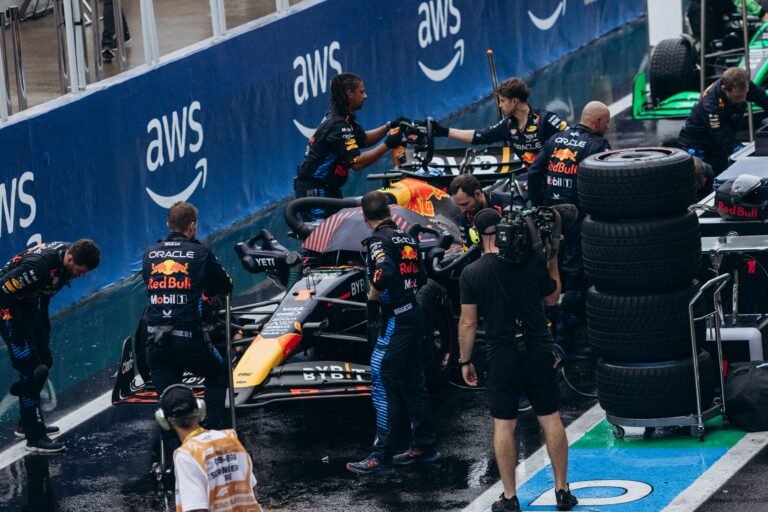
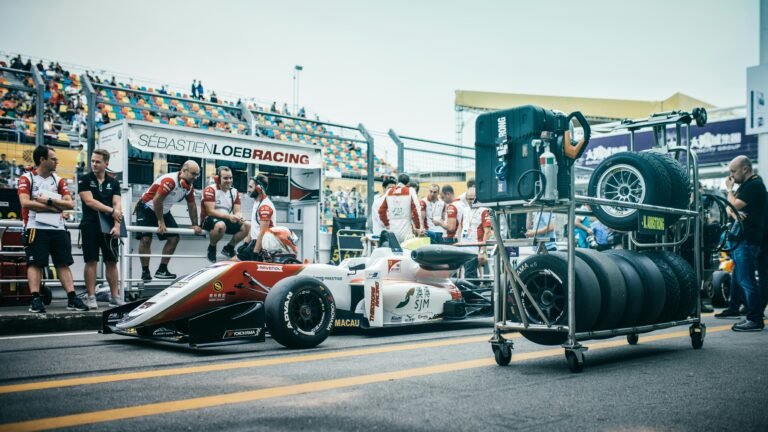
Teams therefore work carefully to prepare the tyres before a fast lap.
Track Evolution
A Formula 1 circuit can become faster as more rubber is laid down on the racing surface.
This is sometimes referred to as track evolution.
Because qualifying takes place over time, the drivers who run later may encounter different track conditions.
Teams must therefore decide when to send their drivers onto the circuit.
Finding a Clear Lap
Traffic can be another problem.
A driver needs space to complete a fast lap without being significantly affected by another car.
Drivers and teams communicate constantly to manage gaps.
A poorly timed release can leave a driver stuck behind slower traffic.
Why Small Differences Matter
Formula 1 cars are extremely closely matched at certain points of a qualifying session.
A difference of a few hundredths of a second can move a driver several positions.
That makes every corner important.
Braking points, acceleration, tyre preparation, and aerodynamic performance all contribute to lap time.
Qualifying Is More Than One Fast Lap
Although the final lap receives most attention, qualifying involves planning.
Teams must consider:
- Track traffic
- Tyre preparation
- Fuel load
- Weather
- Track evolution
- Battery deployment
- Timing
- Number of available tyre sets
A successful qualifying session is therefore a combination of speed and preparation.
Frequently Asked Questions
What does P1 mean in F1 qualifying?
P1 means first position. The fastest driver in the final qualifying session normally earns pole position, subject to sporting penalties.
What are Q1, Q2 and Q3?
They are the three stages of the standard Formula 1 qualifying session.
Does the fastest qualifier always win the race?
No. Qualifying determines the starting order, but the Grand Prix involves many additional factors.
Final Thoughts
Qualifying is one of the most technical and exciting parts of a Formula 1 weekend.
It combines raw speed with tyre management, timing, traffic management, and precise driving.
Once you understand what happens during Q1, Q2, and Q3, the battle for the starting grid becomes much more interesting.
SportsOrbit.world — Where the race begins before Sunday.